Concrete Sealing in Rockford: What It Protects (And What It Doesn’t)
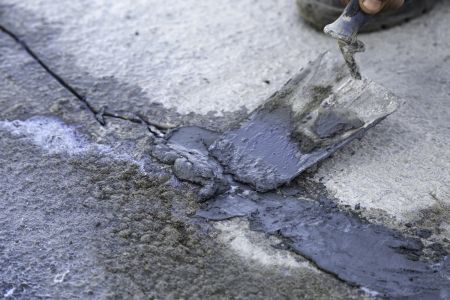
If you own a home in Rockford, you have felt the toll our freeze-thaw cycles and road salt take on concrete. This guide breaks down what concrete sealing can protect on your driveway, patio, and walkways, and where it has limits. For a deeper look at the process and options, you can explore our concrete sealing service after you read this.
What Concrete Sealer Actually Protects in Rockford, IL
Sealers are like a raincoat for your concrete. They help block water, stains, and salt from getting into the pores. That protection matters across Rockford neighborhoods like Edgewater, Churchill’s Grove, Midtown, and the River District where winter moisture and plow spray linger along the curb.
- Moisture intrusion: Quality penetrating sealers reduce water absorption, which helps limit freeze-thaw damage.
- Deicing salts: Many sealers slow the surface damage caused by salts tracked in from streets and driveways.
- Stains: Oil drips, leaf tannins, and rust are easier to clean when they cannot soak in as fast.
- UV and weathering: Film-forming sealers can add a light sheen and help resist color fade on decorative concrete.
Freeze-thaw cycles are the number one reason Rockford concrete fails early. Keeping water out of the slab is the single best move you can make to preserve it.
What Concrete Sealer Doesn’t Do
Sealers are not a cure-all. They protect, but they do not replace structural fixes. Think of them as prevention and preservation rather than a full repair.
- They do not stop existing structural cracks from moving or heaved slabs from settling.
- They do not fix poor drainage or standing water near stoops, downspouts, or garage aprons.
- They do not prevent tire scuffs or snowblower scrapes, though they may make them less visible.
- They do not guarantee a glossy showroom look on older, porous concrete without prep and the right product choice.
Sealing is protection, not a structural repair. If you have trip hazards, deep spalling, or major settling, talk with a pro about joint repairs or slab solutions first.
Local tip: Avoid using harsh deicers like products with ammonium sulfate on sealed concrete. They can attack the surface fast in Rockford winters. Rinse winter residue in early spring when temps are consistently above freezing to help your sealer last longer.
Sealing Vs. Resurfacing Vs. Replacement in Rockford
Homeowners often ask which path to choose. Each option solves a different problem, and the right fit depends on the condition of your slab and your goals for appearance and longevity.
Sealing is for sound concrete that you want to protect or refresh. It helps guard against moisture and salt, adds easier cleanup, and can add a subtle sheen or leave a natural look depending on product choice. Resurfacing installs a thin overlay to renew a worn or stained surface. It can add texture or color, but it still needs to be sealed. Replacement addresses structural issues, major heaving, or severe spalling that overlays cannot bridge safely.
If your goal is to extend the life of a driveway that is still structurally solid, sealing is the smartest first step. If your slab is crumbling or rocking, get an assessment before spending on cosmetics.
How Long Does Concrete Sealer Last Here?
Longevity depends on the type of sealer, surface prep, and exposure. In Rockford, driveways face plows, grit, and salt, so high-wear areas may need attention sooner than covered patios.
General expectations in our climate:
- Penetrating sealers for dense surfaces often give multi-year protection and wear off gradually and evenly.
- Film-forming sealers (acrylics) can enhance color and add sheen but may need more frequent maintenance on high-traffic driveways.
Sun-exposed slabs along East State Street or open riverfront areas may see faster wear from UV and wind. Shaded patios in Edgewater or Churchill’s Grove usually hold appearance longer, but winter moisture can linger, so water repellency still matters. The key is to watch for changing water behavior. When water stops beading and begins darkening the surface quickly, it is time for maintenance.
Most homeowners plan on a simple maintenance cycle rather than waiting for total failure of the coating. A light cleaning and timely reapplication keep protection steady and prevent expensive rehab later.
What It Protects Best: Real-World Examples
Driveways near busy routes pick up salt spray and slush from daily commutes. A good sealer helps resist that briny mix before it enters the pores and freezes. Patios and pool decks benefit, too. Sealed surfaces are easier to rinse after cookouts, leaf drop, and summer storms. Decorative concrete with color hardeners or stamps keeps its tone more evenly with a compatible product and maintenance schedule.
Sidewalks and stoops are small but important. These spots see repeated freeze-thaw as snowmelt refreezes overnight. The right sealer helps reduce scaling at edges and stair treads, which is where breakdown often starts.
Limits You Should Expect (So You Aren’t Disappointed)
It helps to set clear expectations so your investment pays off for years:
- Heavy oil that sits for weeks can still mark the surface. Clean spills promptly for best results.
- Garage thresholds and tight turning areas might show wear first and may need touch-ups sooner.
- Gloss levels vary by product. If you want a wet look, discuss the tradeoffs in traction and upkeep before choosing it for a sloped driveway.
None of these are deal breakers, but they are normal realities in our weather. When you pair sound prep with a product matched to your concrete and use, sealing delivers strong value.
Best Timing and Weather Windows for Rockford, IL
Local weather drives success. Spring and early fall usually offer the best combination of mild temperatures and dry air. Summer can work well too if you can avoid rain in the forecast and very hot mid-day surfaces. Patios under trees may need a bit more debris control before and after application. For new concrete, wait for proper curing per manufacturer guidelines so moisture can escape freely. Sealing too soon on a new pour can trap moisture and haze the finish, so timing matters.
Wind off the Rock River can speed drying on exposed driveways. Shaded side yards on the north side can stay damp longer. A job plan that considers sun, shade, and airflow helps each coat level and bond the way it should.
Safety, Sheen, And Traction
Traction matters in winter. If you prefer a low-sheen, natural look, many penetrating sealers maintain the surface feel with minimal change to slip. If you choose a glossier film for decorative concrete, adding a traction additive can help balance looks with foot safety on steps and sloped entries. That way your front walk in Midtown or a riverfront patio still performs when the first frost shows up in November.
Care And Maintenance After Sealing
Post-seal care is simple. Rinse grit before it gets ground into the surface. Use a mild cleaner if needed. Skip harsh acids or strong solvents unless directed by a pro. Watch high-wear areas near garage doors and turn-in spots. When water stops beading and starts soaking in quickly, schedule maintenance before winter returns.
If you are working on curb appeal as a whole, pairing concrete care with a gentle exterior rinse can make everything pop. A seasonal clean on siding and soffits removes algae and cobwebs so your sealed driveway does not sit next to dingy siding. If you are refreshing the exterior, consider a light house washing to tie it all together.
How We Approach Concrete Sealing At Black Helmet Property Care
Every property is different. We look at sun, shade, drainage, and salt exposure so the product choice fits the job. Downtown walkways may need one approach, while wide, wind-swept driveways on the east side may call for another. Prep is careful and thorough so the sealer bonds well and looks even across old and new patches.
We keep communication simple and clear. You will know what to expect for dry time, when you can walk or drive on the surface, and how to care for it in the first week. That way you get long-lasting performance without guesswork. If you want a quick overview of options and finishes, visit our page on concrete sealing for Rockford driveways and patios to see what fits your goals.
When To Seal: Signs Your Rockford Concrete Is Ready
Not sure if it is time? Look for these common signs around Rockford:
- Water darkens the surface instead of beading for a minute or more.
- Edges near the street show light scaling or sand-like wear after winter.
- Oil cleanup takes longer and leaves a faint halo afterward.
- Decorative or stamped areas look dull or patchy after a hot, sunny stretch.
If you see a few of these, your surface is likely ready for fresh protection before winter hits again.
Budgeting And Long-Term Value
Sealing is less about a one-time makeover and more about slowing down the clock. You protect the slab you already paid for, which helps push replacement far into the future. That is strong value in Rockford where winters are tough and repair seasons are short. Done on a steady schedule, sealing is a small, predictable part of caring for your home’s exterior.
Choosing A Local Partner You Can Trust
Choose a team that knows our weather patterns, salt use, and how different neighborhoods age over time. Ask about surface prep, product fit for your exact concrete, and a maintenance plan you can follow. With Black Helmet Property Care, you get clear communication and a result that holds up through more than one winter, not just the first snow.
If you want to learn more about concrete sealing in Rockford, IL and how it fits into a full exterior refresh, our site has simple guides and examples to help you decide what is right for your home.
Ready To Protect Your Concrete In Rockford?
Your driveway, patio, and walkways work hard every season here. Keep them looking great and performing well with a plan that matches Rockford weather. Call Black Helmet Property Care at 815-901-7446 to schedule an on-site look, or send a note any time. We will review your goals, check your surfaces, and help you choose the right approach for lasting protection.
When you are ready to take the next step, start with our page on our concrete sealing service to see options that fit your home and timeline.